November 18, 2026
Dealing with Dead Outlets in a Commercial Space
By @thebuildingcircuit
When an outlet in a business stops working, the immediate reaction is often frustration. Equipment goes dark, a workstation becomes unusable, and productivity takes a hit. The natural urge is to call for help right away. That is the right instinct, but it helps to know what is actually happening before a technician arrives. Understanding the common causes of a dead outlet can help a business owner decide whether the fix is straightforward or whether it signals a bigger electrical issue that needs professional attention.
An outlet that has no power may be a minor problem, such as a tripped GFCI, or it may point to something more serious, like a damaged wire hidden in the wall. The first step is always to check the basics. If the outlet is on a circuit that also powers other outlets or lights, look at those other devices. If they are working, the problem is likely isolated to that single outlet. If the whole area has gone dark, the issue is probably at the breaker panel or further upstream.
Step One: Quick Checks Before Calling a Professional
Before picking up the phone, try a few simple checks that do not require tools or special knowledge. First, reset any GFCI outlets on the same circuit. These are the outlets with "Test" and "Reset" buttons, often found in bathrooms, break rooms, or near sinks. Push the Reset button firmly. If that restores power, the outlet was doing its job protecting against a ground fault.
Second, check the circuit breaker panel. Look for a breaker that is in the middle position, not fully on or off. Flip it firmly to Off, then back to On. A breaker that trips again immediately or will not stay in the On position indicates a persistent fault in the circuit. That is a clear sign that a professional is needed.
If resetting the GFCI and the breaker does nothing, the problem likely lies in the wiring between the panel and the outlet, or inside the outlet itself. At this point, it is time to stop troubleshooting and bring in a qualified electrician. Working on live wiring or opening an outlet without the right training can lead to shock, fire, or damage to the building's electrical system.

Common Causes of Outlet Failure in Commercial Settings
Commercial buildings have electrical demands that differ from a typical home. Multiple devices running at once, aging infrastructure, and frequent renovations all put stress on the system. Here are the most common reasons outlets stop working in a business environment:
- Tripped circuit breaker or blown fuse. This is the most common cause. A circuit is designed to handle a certain load. When too many devices draw power, the breaker trips to prevent overheating.
- GFCI tripped. Ground-fault circuit interrupters are sensitive to tiny leaks of current. A faulty appliance plugged into a GFCI outlet can trip it and kill power to other outlets on the same circuit.
- Loose or damaged wiring. Over time, connections can loosen or wires can be nicked by screws or staples. This can cause intermittent power loss or a complete failure.
These are the kinds of issues where a commercial electrical repair service can make a big difference. A technician will have the tools and experience to trace the fault, test connections safely, and restore power without guessing.
When a Dead Outlet Signals a Deeper Problem
Not every dead outlet is a simple fix. Sometimes the symptom points to a more serious underlying condition. A voltage drop across a circuit, for example, can cause outlets to work poorly or not at all. Voltage drop happens when the wire run is too long or the wire gauge is too small for the load. This is more common in older commercial buildings that were not designed for today's equipment.
A short circuit is another serious possibility. If a hot wire touches a neutral or ground wire, the sudden surge of current will trip the breaker. If the breaker does not trip, the wiring can overheat and start a fire. A short circuit can be caused by a damaged cord, a loose wire inside the outlet box, or even a mouse chewing through insulation.
An electrical fault that affects multiple outlets or lights in a zone often points to a problem in the control panel or a main feeder. These are not jobs for a maintenance person with a screwdriver. They require a thorough safety inspection and a methodical approach to identify and fix the root cause.
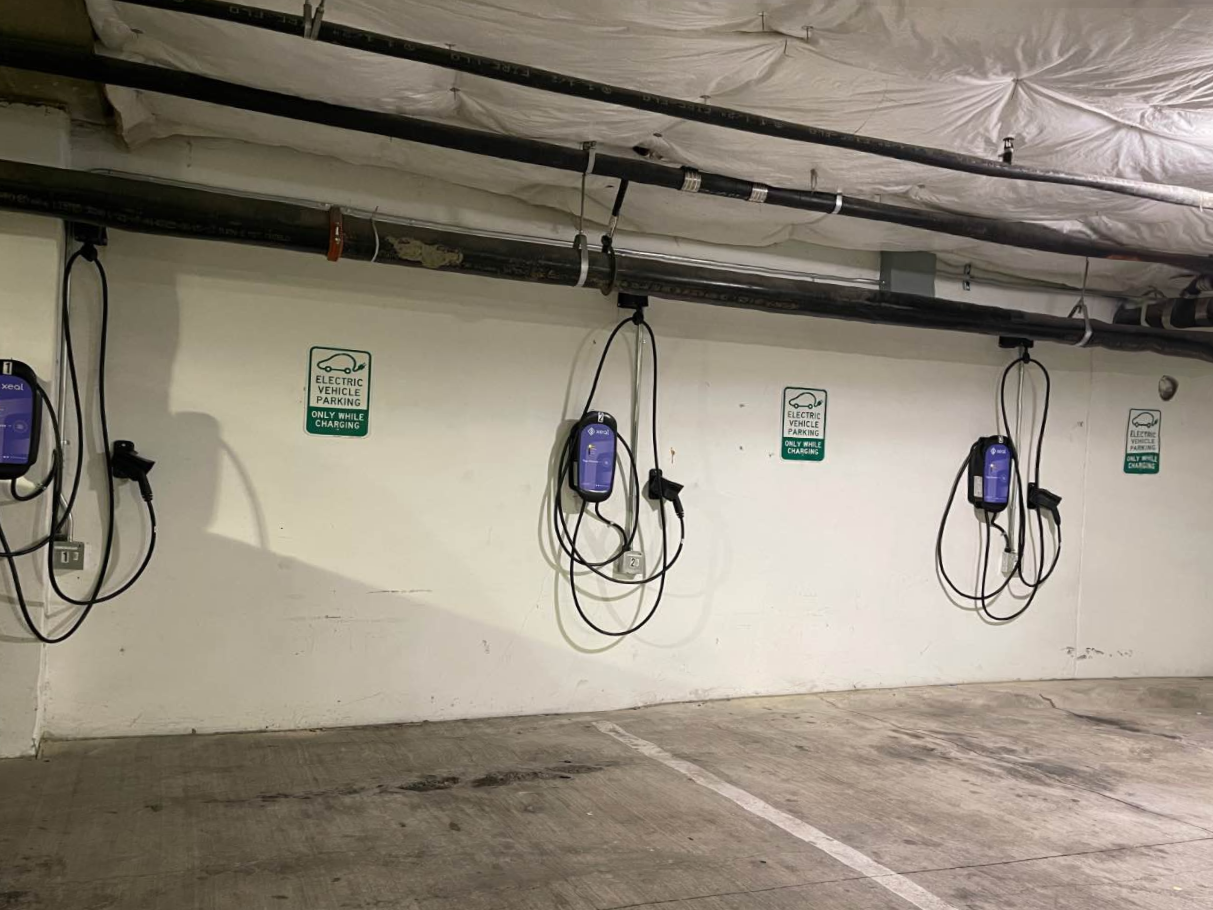
When a business faces these kinds of issues, it is wise to seek help with business electrical faults from a qualified team. A professional can isolate the circuit, measure for voltage drop, check for loose connections, and ensure the system meets current code requirements.
What to Expect During a Commercial Electrical Repair
When a technician arrives to diagnose a dead outlet, they will follow a logical process. They will first verify that the outlet is truly dead using a multimeter. Then they will check the breaker and the GFCI. If those are fine, they will move on to inspecting the wiring at the outlet itself. They may remove the cover plate and test the connections behind it, looking for loose wires, signs of overheating, or damage.
If the problem is not at the outlet, the next step is to trace the circuit back to the panel. This might involve checking junction boxes, looking for splices, and testing continuity. In older buildings, the wiring may be cloth-covered or aluminum, both of which can become brittle or corroded over time. Replacing a short section of wire or tightening a connection can often solve the problem.
For more complex issues, such as a recurring tripped breaker or a fault that affects multiple circuits, the technician may need to do a load calculation or a thermal scan of the panel. These advanced diagnostics help identify overloaded circuits or failing breakers before they cause a bigger problem.
Business owners who are proactive about electrical maintenance can avoid many of these surprises. Scheduling a routine safety inspection once a year, or after any major renovation, can catch loose connections, rodent damage, and signs of overheating early. A small investment in prevention can save the cost of a full emergency repair later.
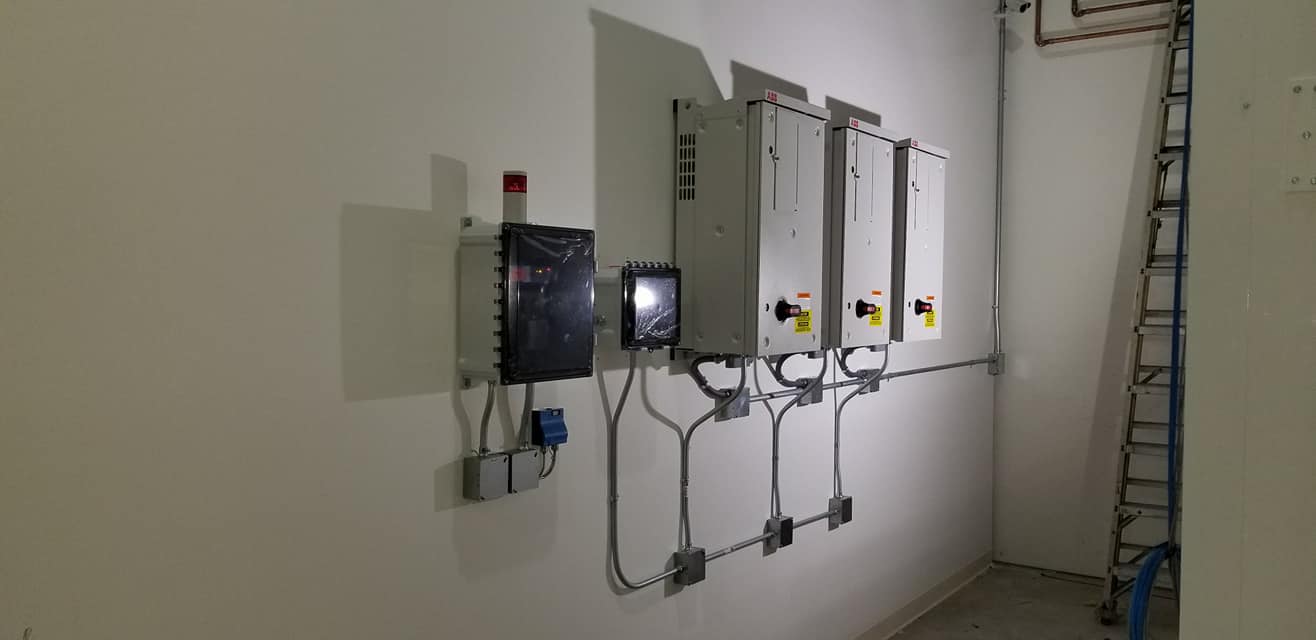
That said, even the best-maintained building can have an outlet fail. When it happens, the key is to respond calmly and systematically. Check the basics, then call a professional if the simple fixes do not work. Trying to fix a wiring problem without the proper knowledge can turn a small issue into a costly one.
For businesses in the San Jose and Santa Clara areas, having a trusted resource for help with business electrical faults can make all the difference. Knowing who to call and what to expect takes the stress out of a sudden power loss and gets the workspace back to normal faster.
❧